
Bringing Hawkins' 5 Disciplines to Life Under Pressure
Across the previous five posts in this series, we explored Peter Hawkins' 5 Disciplines of team effectiveness individually: Commissioning, Clarifying, Co-creating, Connecting, and Core Learning.
In practice however, leadership teams rarely have the luxury of addressing these disciplines one at a time, life just doesn’t work that way. Most organisations operate under constant commercial pressure, shifting priorities, and continuous workload demands. Whenever a new frameworks is taught as an isolated module, leaders often struggle to apply them to the chaos of daily delivery. Intellectually the stimulate, but making the transition from theory to reality is a challenge.
The true test of team effectiveness is how these five elements function together as a single operating system. My role as a team coach is not to deliver five neatly packaged sessions covering each discipline, but to equip the team so that when they face sudden external pressure, the five disciplines cease to be theoretical concepts and become the visible habits that determine whether a team holds together or fractures into departmental silos.
The Bywater Insight
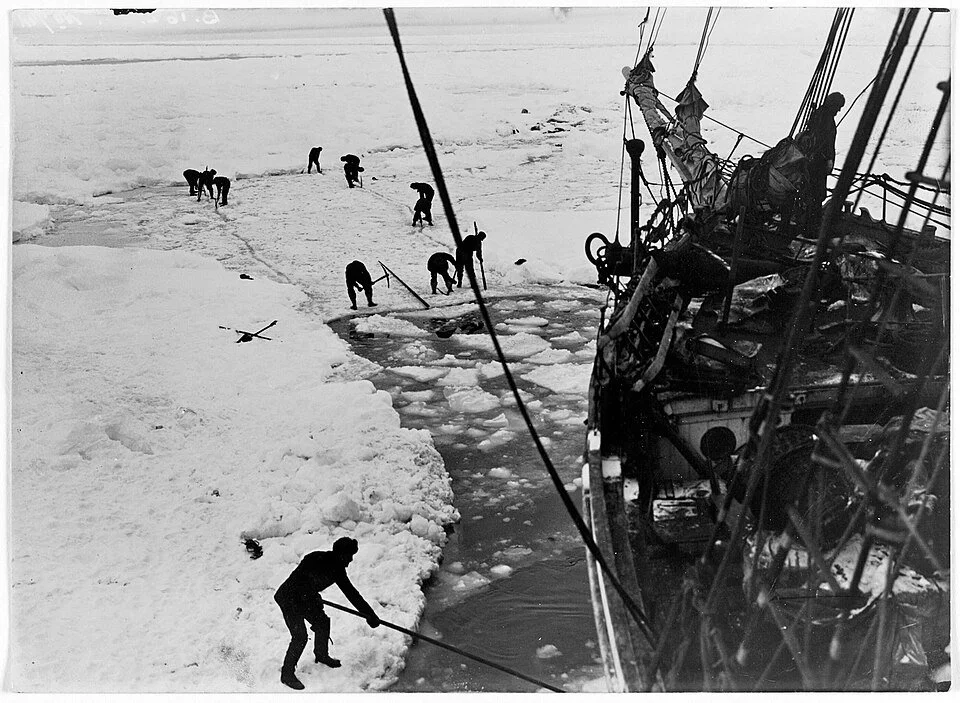
To see how Hawkins' model operates as an integrated system, consider Ernest Shackleton’s “Imperial Trans-Antarctic Expedition” of 1914. Shackleton and his 27 crew members set out to complete the first land crossing of the Antarctic. Months into the journey, their ship, the Endurance, became trapped in ice and was eventually crushed and sunk, leaving 28 men stranded on drifting ice floes thousands of miles from rescue for over a year and a half. Luckily Shackleton had been an avid reader of my blog and was well aware of the 5 disciplines of high performing teams (ok I might have made that bit up… let’s continue).
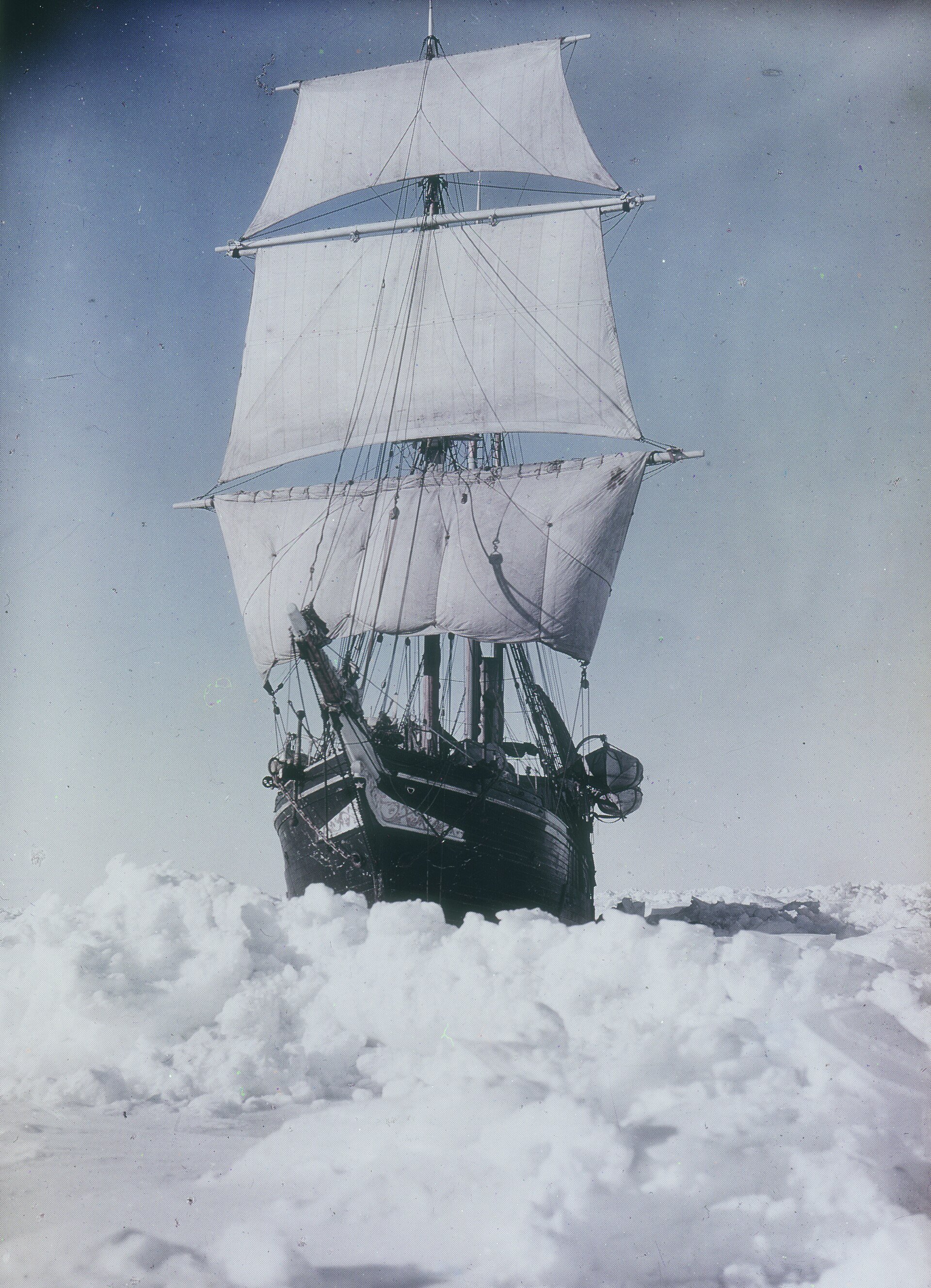
Faced with extreme temperatures, total isolation, and a very real risk of death, their survival depended entirely on team cohesion. While the historical context is extreme (and puts in to context corporate pressure), how Shackleton and his crew navigated that crisis offers a clear illustration of all five disciplines operating in harmony:
Re-anchoring accountability when the original mandate to cross the continent became impossible, as Shackleton immediately redefined their primary commission around a single goal: bringing every crew member home alive.
Reinforcing shared purpose daily so every crew member understood his specific role, immediate operational priorities, and expected standards on the ice, eliminating ambiguity during crisis.
Adapting traditional naval hierarchies to build joint responsibility, requiring officers, scientists, and sailors to share domestic chores, sleep in mixed tents, and solve logistical challenges together.
Maintaining an active outward focus by tracking ice drift, weather shifts, and potential rescue channels to ensure internal decisions remained grounded in environmental reality.
Embedding reflection directly into daily routines, evening gatherings, and operational reviews to monitor team morale and refine how they worked together under extreme stress.
When these five disciplines operate together, they create a self-reinforcing system. Clear commissioning informs purpose; explicit purpose enables joint work; joint work strengthens stakeholder connection; and continuous reflection refines the entire process. High-performing teams do not treat Hawkins' model as a periodic exercise. They use it to build the right conditions for clearer thinking, encouraging healthier challenge across every tier of leadership to secure progress that holds.
Practical Application: Testing Your Team's Integrated Health
Here are four evidence-informed questions to evaluate how well your leadership team integrates the five disciplines:
Review how quickly your team updates its operational clarity when external commissioning or market conditions shift unexpectedly.
Audit whether cross-functional collaboration is supported by continuous stakeholder feedback or conducted in an internal vacuum.
Check if team reflection directly alters how leaders make decisions and manage trade-offs in their daily meetings.
Assess whether individual executive performance metrics reinforce collective enterprise goals or pull leaders back into functional silos.
The ‘Better Thinking’ Question
If your leadership team were faced with a sudden operational crisis tomorrow, which of the five disciplines would be your weakest link?
Work with Bywater
Integrating Peter Hawkins' 5 Disciplines into a live, high-performing operating model requires structure, honesty, and clear direction. I work with leaders, senior teams, and HR directors across the UK to help teams clarify their collective priorities, resolve structural friction, and build the right conditions for sustained progress.